
About and FAQ
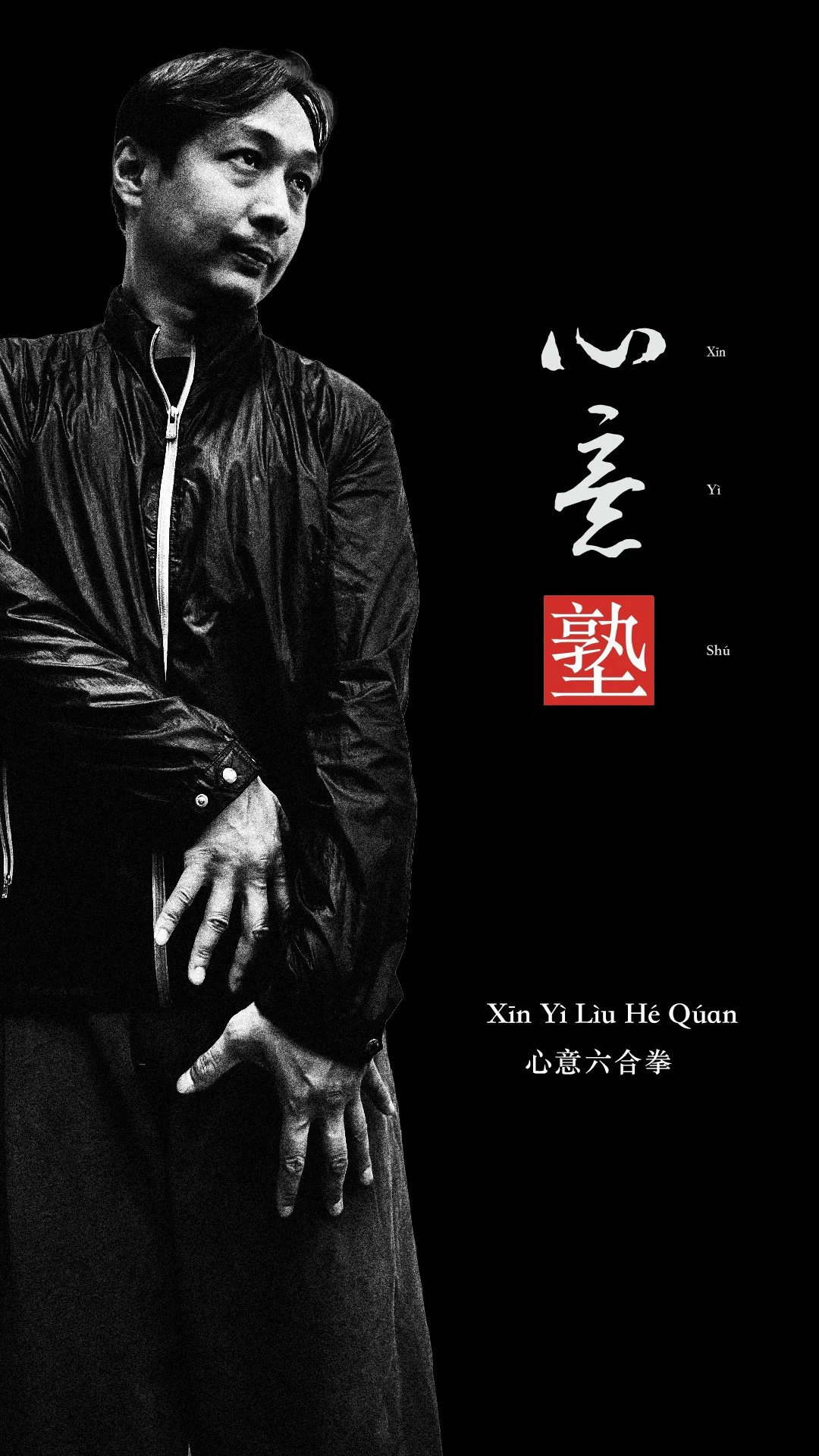
“What matters in Praying Mantis is not the outer appearance of the mantis hands. What matters is the inner quality of the mantis force.”
- Stephen Ip 葉紫弘 -
What is XinYì LìuHé Qúan?
心意六合拳是什麼?
Xinyi Liuhe Quan, "Heart-Mind and Intent, Six Harmonies Boxing," is one of the oldest and most direct fighting arts in China. It is traditionally credited to Ji Jike 姬際可 (Ji Longfeng 姬龍峰) of Shanxi, a famous spearman of the late Ming and early Qing dynasties. He is said to have turned the principles of the spear into empty-hand boxing (以槍化拳). His student Ma Xueli 馬學禮 of Luoyang carried the art into Henan. There it was kept for centuries inside the Hui Muslim communities, often taught only within families and mosques.
The Mǎi Lineage 買氏心意
Mai Zhuangtu 買壯圖 of Lushan, Henan 河南魯山 was the key figure who refined the art and spread it more widely. Most major branches of Henan Xinyi trace back through him, including the line later brought to Shanghai. Xī Yì Shú teaches the Mǎi lineage, one of the most traditional surviving forms of the art.
Characteristics
Six Harmonies 六合: The three internal harmonies are heart with intent, intent with qi, and qi with power (心與意合、意與氣合、氣與力合). The three external harmonies are hands with feet, elbows with knees, and shoulders with hips (手與足合、肘與膝合、肩與胯合). Together they give whole-body power with nothing wasted.
Ten Great Animal Forms 十大形: Dragon, tiger, monkey, horse, chicken, swallow, sparrow hawk, snake, eagle and bear. Each one trains a specific kind of power and a specific fighting idea.
Signature training: Chicken step 踩雞步, Siba Chui 四把捶 and the classic body method of "chicken legs, dragon body, bear shoulders, eagle claws, tiger embrace, thunder voice" (雞腿、龍身、熊膀、鷹捉、虎抱頭、雷聲).
Fighting philosophy: Xinyi is short, plain and direct, with no flowery movements. Rising and falling, drilling and overturning (起落鑽翻) put the whole body into each strike, and the attack keeps advancing..
心意六合拳,意為「心意相合、六合歸一之拳」,是中國歷史最悠久、風格最直接的實戰拳術之一。相傳為明末清初山西槍術名家姬際可(姬龍峰)所創,他將槍法之理化為徒手拳法,即所謂「以槍化拳」。其弟子洛陽馬學禮將此拳傳入河南,此後數百年間,心意六合拳一直在回族社群中傳承,多半只在家族與清真寺內秘傳。
買氏心意
河南魯山人買壯圖是此拳發展的關鍵人物,他精煉拳藝,並將其更廣泛地傳播開來。河南心意拳的主要支派,包括日後傳入上海的一脈,大多源自買壯圖。心意塾所傳授的正是買氏一脈,為此拳現存最具傳統風貌的傳承之一。
拳術特色
六合: 內三合為心與意合、意與氣合、氣與力合;外三合為手與足合、肘與膝合、肩與胯合。內外相合,則周身一體,力不虛發。
十大形: 龍、虎、猴、馬、雞、燕、鷂、蛇、鷹、熊。每一形各練一種勁力,各含一種技擊之理。
特色訓練: 踩雞步、四把捶,以及經典身法要訣「雞腿、龍身、熊膀、鷹捉、虎抱頭、雷聲」。
技擊理念: 心意拳短小精悍、樸實直接,不求花俏。以起落鑽翻之法,將全身之力貫注於每一擊,進攻連綿不斷、步步緊逼。
How does XinYì Shú Work?
心意塾怎麼運作?
XinYì Shú operates similarly to an online university, like the University of Phoenix or NYU Online, with a proven effective training method. The program is subscription-based, offering both monthly and yearly billing options. Cohorts are organized into small groups of 10-20 students. Every week, at a designated time, a new pre-recorded lesson is made available for cohorts to stream and watch at their convenience. Each lesson lasts about 30-45 minutes and includes warm-ups, strength-building drills, lectures, forms, and applications.
At the end of each lesson, Shifu assigns training homework to the students. They then have one week to practice, record their homework using their phone or any recording device, and upload the videos to a privately shared Google Drive folder by the designated weekly deadline. Shifu reviews all submitted homework videos, takes notes, and provides personalized feedback through a short 5-10 minute video sent to the cohorts. This cycle repeats weekly.
There are several significant advantages to this training method compared to traditional teaching methods, whether in-person or through typical online training:
English Subtitled: Shifu speaks in his native language, with english subtitles translated by martial arts experts (not just any Enlgish/Chinese translator).
Flexible Time: Lessons are pre-recorded, allowing students to stream and watch at their convenience.
Self-Examination: By recording and reviewing their own homework videos, students can self-examine and correct mistakes, which is not achievable through traditional training methods or even by practicing in front of a mirror.
Frame-by-Frame Review: Shifu can review students' training homework frame by frame, a level of detail not possible in person. Some Shifu even take screenshots of the exact moment a mistake is made, providing valuable visual feedback for students.
Rewatch-ability: Unlike in-person teaching, where students may struggle to remember the material after class, streaming video lessons allow students to rewatch as many times as they wish.
心意塾的運作方式類似於在線大學,例如鳳凰城大學或紐約大學在線,採用經過驗證過的有效訓練方法。該計劃採用訂閱制,提供每月和每年的計費選項。學員被分成10至20人的小組。每週在指定的時間,將有一個新的預錄課程供學員按需串流觀看。每節課持續約35至45分鐘,包括熱身、力量訓練、講解、套路和應用。
每節課結束時,師父會給學生布置訓練作業。學生需要在一週內練習,並使用手機或任何錄影設備錄製作業視頻,然後在指定的每週截止日期前將視頻上傳到私人共享的Google Drive雲端資料夾中。師父會審查所有提交的作業視頻,做筆記,並通過一個5至10分鐘的短視頻為學員提供個性化反饋。這個循環每週重複。
與傳統的教學方法相比,無論是面授還是典型的在線培訓,這種訓練方法有幾個顯著的優勢:
1. 靈活的時間安排:課程是預錄的,忙碌的現代人可以按自己的時間安排觀看。
2. 自我檢查:通過錄製和查看自己的作業視頻,學生可以自我檢查並糾正錯誤,這是傳統訓練方法甚至是在鏡子前練習所無法實現的。
3. 逐幀審查:師父可以逐幀審查學生的訓練作業,這在面對面教學中是無法做到的。有些老師甚至會截取視頻中錯誤發生的精確時刻的截圖,這對學生來說是非常有幫助的。
4. 重複觀看:與實體教學不同,學生在課後經常會難以記住所教的內容。通過串流視頻課程,學生可以無限次地重複觀看。
What are the differences between XinYì LìuHé Quan and XíngYì Quan?
心意六合拳和形意拳有何不同?
Both styles come from the same origin, Ji Jike 姬際可 (Ji Longfeng), in the late Ming or early Qing dynasty. After that they split into two branches. Xinyi Liuhe Quan is the Henan branch, passed down by Ma Xueli 馬學禮 in Hui Muslim communities. Xingyi Quan is the Shanxi/Hebei branch: it passed through Dai Longbang 戴龍邦, and Li Luoneng 李洛能 later named it 形意拳.
Xinyi Liuhe is the older and more raw form of the art, built on animal power and explosive, attacking body methods. Xingyi is a later refinement that organizes training around Santi Shi and the Five Elements.
兩者同源於明末清初的姬際可(姬龍峰),之後分為兩支:心意六合拳是河南一支,由馬學禮在回族社群中傳承;形意拳是山西/河北一支,經戴龍邦傳承,後由李洛能定名為「形意拳」。
心意六合拳較古樸原始,以動物之勁與爆發攻擊的身法為本;形意拳則是後來的精煉體系,以三體式與五行拳為訓練核心。
Sifu Stephen Ip
葉紫弘師父簡介
Sifu Stephen Ip was born in Hong Kong in 1974. Bruce Lee films and The Karate Kid inspired him to start martial arts young, first with Judo and Goju-Ryu Karate. At 13 he began Northern Shaolin Kung Fu and also trained with martial brothers from many Southern Chinese styles.
At about 16 he met his first Xinyi Liuhe Quan teacher, Master Tang 唐老師 of Shanghai. For a year Master Tang traveled back and forth to teach him the foundations of the Shanghai branch: Siba Chui 四把捶, essential Neigong, and the core fundamentals of the system.
At 18 Stephen moved to Montreal, Canada, and a year later he began teaching Northern Shaolin and hard Qigong 硬功. While teaching, he kept studying three systems in depth: Baji Quan and Pigua Zhang 八極/劈挂, Xinyi Liuhe Quan 心意六合拳, and Yang-style Taijiquan 楊式太極拳.
While finishing high school in Cornwall, Ontario, he met Master Zhao Qiyou 趙起有. Master Zhao was a Cang County 滄州 native who had become a disciple of Grandmaster Wei Hongbin 魏鴻濱 during his military service, and he also knew Old Frame Baji 老架八極 and Nanpi Pigua 南皮劈挂. He had never opened a school, but Stephen asked earnestly and Master Zhao agreed to teach him one-on-one in local parks. He was then in his late seventies. He taught Stephen for about three years before moving away, and he passed away soon after.
Stephen later found his most influential teacher, Master Wei Juru 魏九茹 of Qinhuangdao, Hebei 河北秦皇島. Master Wei was the son of Wei Hongbin's fourth son. Stephen had no photos or videos of Master Zhao, so at their first meeting he demonstrated the Xiao Jia 小架 (Small Frame). Master Wei recognized it at once. He confirmed it as his own family's lineage, even naming the years his father had taught that version in the military, and accepted Stephen as an indoor disciple 入室弟子.
Around 2000 Stephen studied Yang-style Taijiquan with Master Xu, a student of Dong Yingjie 董英傑, learning the long form, the broadsword and the fast form. He traveled to China regularly, training Baji in Qinhuangdao and seeking out Xinyi Liuhe masters in Henan, including Master Mai 買老師 and Master Liu 劉老師.
In 2006 he met Master Yu Delin 于德麟, son of the legendary Grandmaster Yu Hualong 于化龍. Master Yu was living quietly in Toronto and not teaching. Stephen invited him to Montreal, where he studied the complete Xinyi Liuhe system with him intensively for about four years. Because Stephen had been building his foundation since his teens, he was able to absorb the deeper material quickly.
Today Sifu Ip lives in Toronto. He trains almost every day, teaches selected students and still travels to learn from senior masters. In December 2026 he will be formally inducted as a disciple of the Mǎi 買氏 lineage of Xinyi Liuhe Quan. He is also an ordained priest of Esoteric Buddhism and travels internationally to study, practice and share its teachings.
葉紫弘師傅,一九七四年生於香港。他自幼受李小龍電影與《小子難纏》(The Karate Kid)啟發而踏上武術之路,最初習練柔道與剛柔流空手道。十三歲起學習北少林功夫,並與多位南派拳術的師兄弟切磋交流。
約十六歲時,他遇到第一位心意六合拳老師:來自上海的唐老師。此後一年間,唐老師往返兩地,傳授他上海派心意六合拳的根基,包括四把捶、重要的內功心法,以及此拳系的核心基本功。
十八歲時,葉師傅移居加拿大蒙特婁,一年後開始教授北少林功夫及硬功。教學期間,他持續深入鑽研三門拳術:八極拳與劈挂掌、心意六合拳,以及楊式太極拳。
在安大略省康沃爾(Cornwall)完成高中學業期間,他結識了趙起有老師。趙老師是滄州人,服役期間拜入魏鴻濱宗師門下,亦習得老架八極與南皮劈挂。趙老師從未開館授徒,但在葉師傅的誠懇請求下,答應於當地公園一對一私下傳授。當時趙老師已年近八旬。約三年後,趙老師遷居他處,不久便辭世。
其後,葉師傅尋得對他影響最深的老師:河北秦皇島的魏九茹老師。魏老師為魏鴻濱宗師之孫,其父是魏鴻濱的第四子。由於葉師傅手上沒有任何趙老師的照片或影片,初次見面時,他便演練了一趟小架。魏老師當即認出,確認此為自家同門一脈,甚至能指出魏鴻濱宗師當年在軍中傳授此版本的時期,隨即收葉師傅為入室弟子。
約二〇〇〇年,葉師傅隨董英傑先生的弟子徐老師學習楊式太極拳,習得傳統長拳架、太極刀及快架。這段期間,他定期往返中國,在秦皇島持續精進八極拳,並赴河南尋訪心意六合拳名家,包括買老師與劉老師。
二〇〇六年,他結識傳奇宗師于化龍之子于德麟老師。當時于老師隱居多倫多,並未授徒。葉師傅邀請他移居蒙特婁,並隨其深入學習完整的心意六合拳體系,前後約四年。由於葉師傅自少年時期便打下深厚根基,得以迅速吸收此拳系更深層的內容。
如今,葉師傅定居多倫多,幾乎每日練功,擇徒而教,並仍不時遠行,向前輩名家請益。二〇二六年十二月,他將正式拜入心意六合拳買氏一脈門下。此外,他亦是受戒的密宗僧人,經常往返世界各地,研習、修持並弘揚佛法。
Condensed program
濃縮訓練
Traditionally, TángLáng Qúan training would take at a decade or longer to developed decent TángLáng Qúan skills. In the modern days, the martial scene is no longer the same as the old days. It is rare and difficult for general martial arts enthusiasts (non-professionals) to dedicate 10+ years of time to follow the traditional training procedures under a master... We carefully examine the traditional curriculums and training methods, combined with modern training mindset. We designed an optimized curriculum that only teaches the “real stuff”(in which are usually the hard and not so fun stuff) within a condensed training timeline. With the goal to pass down the correct knowledge of authentic traditional TángLáng Qúan,
傳統上,心意六合拳的訓練需要十年甚至更長時間才能培養出像樣的心意六合拳技能。然而,在現代,武術界已經與過去大不相同。對於一般的武術愛好者(非專業人士)來說,很難再像過去那樣,花費十年以上的時間在師父的指導下遵循傳統的訓練程序。我們仔細研究了傳統教材和訓練方法,結合現代的訓練理念,設計出一套優化的課程,僅教授“真材實料”(通常是艱難且不那麼有趣的內容),並在縮短的訓練時間內完成。目標是傳承正宗心意六合拳的正確知識。
Who is XinYì Shu for?
什麼人適合加入心意塾?
Basically anyone who has a passion in TCMA, for all ages and gender. XinYì LìuHé Qúan’s biomechanics is complementary to other styles and even sports and dance arts. However, XinYì LìuHé Qúan training is intensive on the lower body strength development, especially on the knees. If you have previous knee injuries, please notify Tsáng Wǔ Gé admin before begin lessons.
基本上,任何對中國傳統武術(TCMA)有熱情的人,無論年齡和性別,都可以參與。心意六合拳的運動力學可以與其他武術流派、甚至是運動和舞蹈藝術相輔相成。然而,心意六合拳訓練對下肢力量的發展要求很高,特別是對膝蓋。如果您有過膝蓋受傷的經歷,請在開始課程前通知藏武閣的管理人員。
Is XinYì LìuHé Qúan practical?
心意六合拳能實戰嗎?
Xinyi Liuhe's body mechanics, power and fighting strategy are well suited to real combat, and it is one of the hardest-hitting traditional styles. Whether a particular person can actually fight still depends on whether they have done regular, structured training against resisting partners..
心意六合拳的身法、勁力與戰術理念都非常適合實戰,是傳統武術中最「硬」的拳種之一。但一個人能不能打,最終要看他是否經過系統的對抗訓練。
What to expect at the end of the program?
第一階段上完預期成果
Through the courses of TsangWuGe XinYì Academy, discover the physical and cultural wisdom embedded in traditional martial arts. Every ache earned in training is a conversation with your own body; every technique, in its application, is an act of respect toward another's. Every breath is bound to the rhythms of nature and the universe. Through this practice, strengthen the body — and bring harmony to body and mind alike.
透過心意塾的課程,了解傳統武術蘊含的身體與文化思維。每一次的練功痠痛,都是跟自己身體的對話;每一招的應用背後,都是對他人身體的尊重;每一個呼吸,都與宇宙、自然息息相關。由此強健體魄,圓滿身心。
What is Tsáng Wǔ Gé?
藏武閣是什麼?
Do you love traditional martial arts? Do you feel they are slowly fading into history?
Traditional martial arts are in decline, and rival schools often look down on and undermine each other. So even though many people love martial arts, the martial arts community, the wulin 武林, cannot unite. Its strength is scattered, and teachers and coaches are left to teach quietly on their own. As a traditional martial artist, I feel a strong sense of mission. Drawing on my years of running a marketing company, I am copying the successful model of Baji Shu to other excellent styles. By partnering with leading traditional masters and using the technology of our generation, we can build a sustainable framework for passing down traditional martial arts.
That is how Tsang Wu Ge 藏武閣 was born!
Tsang Wu Ge is modeled on the Central Guoshu Institute of the past: it brings together masters from many schools under one roof, with one shared purpose. Our goal is to rebuild a sustainable wulin. It will be free of insults between schools and of masters holding back their knowledge, and no one will spend ten years just to learn a single technique. It will be organized, run with professional branding, and in step with the times!
Tsang Wu Ge starts online. Our basic goal is to establish correct training methods and a sound understanding of traditional martial arts. We aim to develop more talent and to grow the market for traditional martial arts. We will not overlap or compete with traditional ways of teaching. Instead, the two will support each other.
After founding Baji Shu in 2022, we partnered with Master Han Ji-Xiang of Han Men Wu Ji in 2024 to launch Changquan Shu. It lets people around the world study authentic Changquan (Long Fist) in a structured way. This is not the exaggerated Long Fist of performance wushu, nor the Long Fist treated only as a beginner's training set. It is a deep, traditional martial art with real combat value. Since then, we have worked with leading traditional masters to launch Hung Ga Shu, Bagua Shu, QiXing Mantis Shu, Chow Ga Mantis Shu and Xī Yì Shú, each a complete system of a traditional Chinese martial art. Tsang Wu Ge will also offer related electives, such as Ben Cao Tang (Chinese Herbal Medicine), Zhen Jiu Tang (Acupuncture) and Wu Yu Tang (Martial Language). These electives complement the training in each Shu and support Tsang Wu Ge's ultimate goal: preserving traditional martial arts and promoting the culture behind them!
I believe Tsang Wu Ge will be a turning point that changes the martial arts world. Our team needs startup funding to cover early preparation and six months of operating costs. If you, our seniors in the martial arts community and fellow practitioners, share Tsang Wu Ge's vision, please give generously. Every contribution counts, and every little bit adds up! We also welcome your ideas and introductions to people who could help. Thank you all for your support!
The website linked below has a video with the full project details and information on how to donate:
www.tsangwuge.com/take-action
你喜歡傳統武術嗎?你覺得傳統武術正在慢慢的走入歷史嗎?
由於傳統武術的勢微及門派間的互相鄙視和扯後腿現象,即便熱愛武術的人雖多,但「武林」卻無法團結,導致力量分散,各家老師教練們只能各自默默教學傳授。身為傳武人的我,感受到一股使命感,利用我多年經營行銷公司的經驗,將八極塾的成功運作模式複製到其他優良拳種;與頂尖的傳武老師合作,利用我們這個世代的科技優勢來為傳武的傳承設立一個永續框架。
「藏武閣」因此而誕生!
藏武閣以當年「中央國術館」的概念為基礎,萬眾一心,將各家高手齊聚一堂。藏武閣的目標是重新創建一個能永續發展的「武林」,一個沒有相互謾罵、師父拿藝、十年練一劍的「武林」,一個有組織性、有品牌經營手法、一個能跟時代接軌的「武林」!
藏武閣從網路開始,以建立正確傳武訓練的方法及觀念認知為基本目標。「藏武閣」的推廣方式志在儲備更多傳武的人才資源,拓展傳武的市場潛力,並不會與傳統的傳授模式產生重疊或衝突,只會相互助益。
我們從2022年最先成立的「八極塾」之後於2024年與「韓門武集」的韓基祥老師合作推出「長拳塾」,讓全世界能有系統地學習正統的「長拳」。這不是武術表演中動作誇張的長拳,也不是只能當作初級練習套路的長拳;而是有深度、有技擊價值的優良傳統武術。繼「長拳塾」推出之後,我們陸續與各家頂尖傳武老師合作,推出「洪家塾」、「八卦塾」、「七星螳螂塾」、「周家南螳螂塾」、「心意塾」等優良傳統國術拳種體系。除此之外,藏武閣也會提供許多相關選修課程,如:「本草堂」、「針灸堂」、「武語堂」等。這些選修課將與各「塾」的研習相輔相成,進而達到「藏武閣」傳承傳統武術及推廣文化的終極目標!
我相信「藏武閣」將會是改變武林生態的轉淚點。我們的團隊需要一筆啟動資金來支持前期準備到六個月的運作資金。如果各位武林前輩和同好武友認同「藏武閣」的理念,請慷慨解囊。無論多少,只望積少成多!我們也歡迎各種意見和人脈介紹,感謝大家的支持!
以下的連結網站有更詳細的企劃說明影片與捐款方式:
www.tsangwuge.com/take-action
For any questions, email TsandWuGe administrator at: admin_vmei@tsangwuge.com